Photography
Top Shelf Media
10 min

It has never been easier for a sports organization to create content.
Teams can take high-quality photos with a cellphone, build graphics in Canva, generate captions with AI and share updates instantly across Instagram, Facebook, TikTok, and other digital platforms.
The tools are accessible. The templates are everywhere. The content never stops.
But getting that content beyond the same circle of athletes, parents, and existing supporters remains a much bigger challenge.
For sports organizations, posting regularly is no longer enough. Having great photography is not enough. One promotional video, a redesigned logo, or a few popular social posts will not transform how people see your organization.
Building a sports brand requires all of those elements to work together consistently over time.
That means combining professional photography, purposeful video, custom graphic design, social media strategy, digital advertising, websites, and real-world experiences into an identity people can recognize and trust.
The goal is not simply to make your team look good online. It is to build something athletes want to join, families respect, sponsors value, and fans want to support.
Why More Sports Content Is Starting to Feel the Same
AI and template-based design have made content production faster, but faster does not always mean more effective.
AI is often built to find the most common answer. Templates are designed to work for the largest number of people. When every team uses similar prompts, layouts, effects, and language, the result is a crowded sports landscape where everything begins to look and sound the same.
Families scroll past it. Athletes do not connect with it. The organization becomes difficult to distinguish from the club down the road.
Algorithms will continue to change. Engagement will rise and fall. A post might perform well without generating a single registration, ticket sale, sponsor inquiry, or meaningful connection.
That is why a strong sports media strategy cannot be built around chasing views alone.
It must begin with a clear understanding of what the organization represents, who it wants to reach and what action it wants that audience to take.
Are you trying to attract top-level athletes?
Do you want more families at tryouts?
Are you trying to sell out a tournament, increase attendance, strengthen sponsor relationships or create a better experience for the players already in your program?
The content should always serve the larger goal.
The Foundations Are the Same at Every Level
The scale may change, but the foundational principles remain consistent across sports.
A youth hockey association, soccer club, baseball organization, junior franchise, tournament operator and professional team all need to be seen, understood, and remembered.
They need strong visuals. They need consistent communication. They need an identity that reflects the quality of their program. Most importantly, they need to sustain that identity over time.
The product on the ice, field, court, or pitch will always matter. Media cannot control wins and losses.
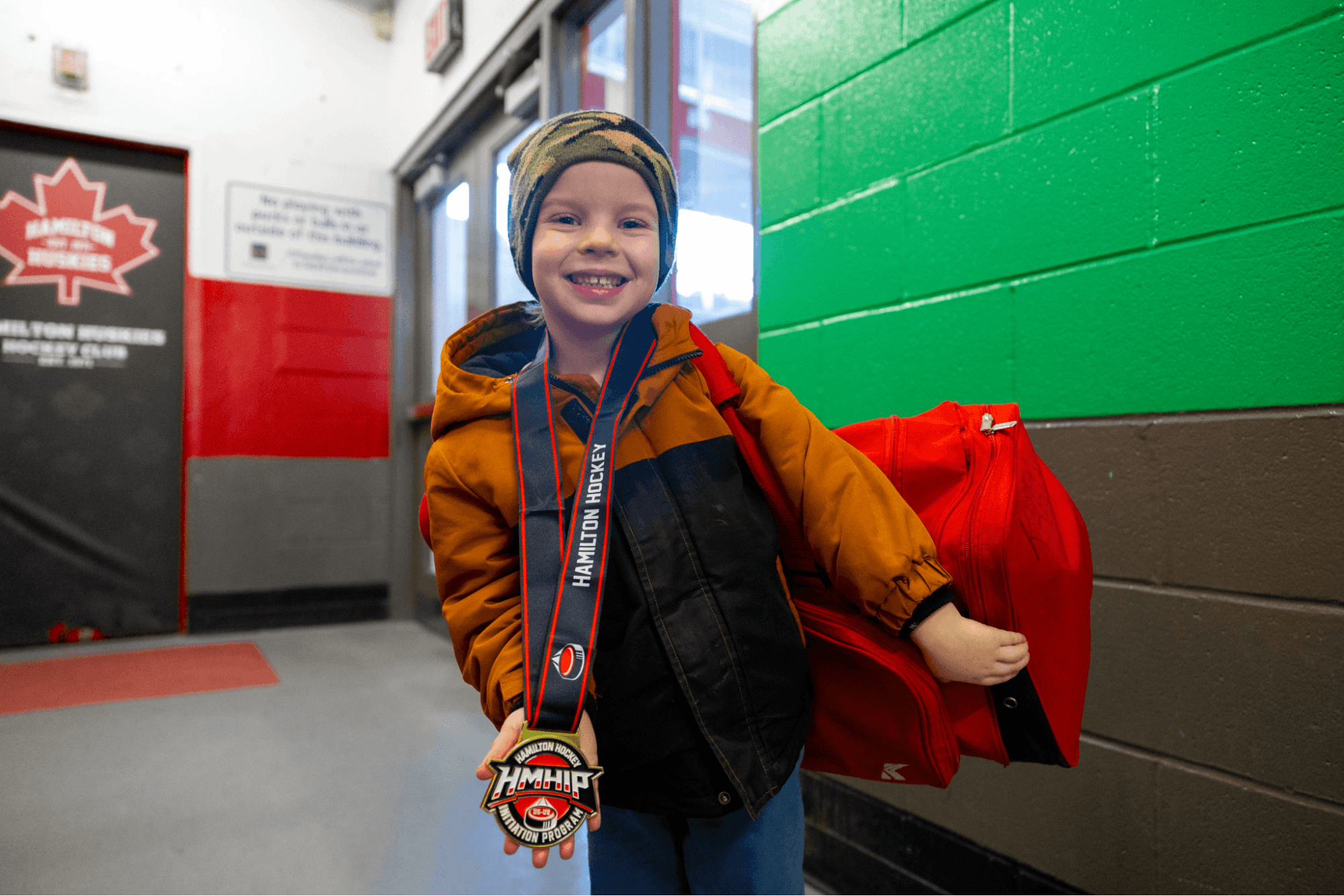
What it can control is how the organization communicates its culture, celebrates its athletes, supports its partners, and creates experiences for its community.
That work influences how people feel about the organization long before they attend a game, register for a program, or walk into a facility.
You Do Not Need Us to Take a Good Sports Photo
Today’s cellphones and cameras can produce excellent images. With good timing, an understanding of light, and some creativity, teams can create strong photography themselves.
For many organizations, that is enough.
But when a team wants to elevate the experience, introduce custom set design, create several lighting styles, or capture polished action imagery, a professional sports photography and media team becomes valuable.
At Top Shelf Media, photography is not only about producing a gallery of good pictures. It is about creating a foundation the organization can use throughout its season.
Professional athlete photography can help teams:
Present athletes at the highest level
Give families a memorable media day experience
Create consistent imagery across an organization
Develop graphics, announcements, and promotional campaigns
Celebrate milestones and accomplishments
Support recruiting, scouting, and player exposure
Provide valuable content for sponsors and community partners
The photographs become part of the team’s visual language. They appear in roster announcements, game-day graphics, player features, advertisements, websites, arena displays, senior-night campaigns and season-long storytelling.
The value is not limited to the day the photos are taken. It comes from how effectively those assets are used afterward.
A Media Day Should Feel Like an Experience
For athletes, especially young athletes, a professional media day can become one of the most memorable parts of the season.
Custom lighting, fog, action stations, video introductions, interviews, and creative set design give players an opportunity to feel like the athletes they watch at the highest levels of sport.
That experience also communicates something important to families.
It shows that the organization is willing to invest in its athletes. It creates excitement around the season and gives families tangible content they are proud to share.
A great media day can produce the photography and video needed for an entire season, but its impact goes further. It helps establish the level at which the organization wants to be seen.
Video Needs a Purpose, Not Just Views
Video is consumed every day across almost every major platform. The real question is not whether a sports organization should create video. It is why someone should stop and watch its video.
Every piece of content should have a job.
A player interview can introduce the personality and values behind the uniform. A tournament recap can show prospective families what it feels like to be part of the organization. A promotional video can increase registrations. Game highlights can celebrate athletes and extend the experience beyond the venue.
Depending on the organization’s goals, video content might include:
Game highlights and recaps
Athlete profiles and player interviews
Team introductions
Behind-the-scenes features
Tournament and event coverage
Tryout and registration campaigns
Sponsor and partnership integrations
Promotional videos
In-arena content
Season-opening and playoff videos
When these videos are created around clear content pillars, they begin to tell a larger story.
Over time, families understand what the organization values. Athletes can picture themselves being part of it. Sponsors see how their brands can be integrated. Fans become more familiar with the people behind the team.
That is more valuable than creating a video simply because the algorithm currently favours it.
Sports Organizations Still Need Graphic Design
AI can generate a graphic in seconds. That does not mean the graphic will connect with the intended audience.
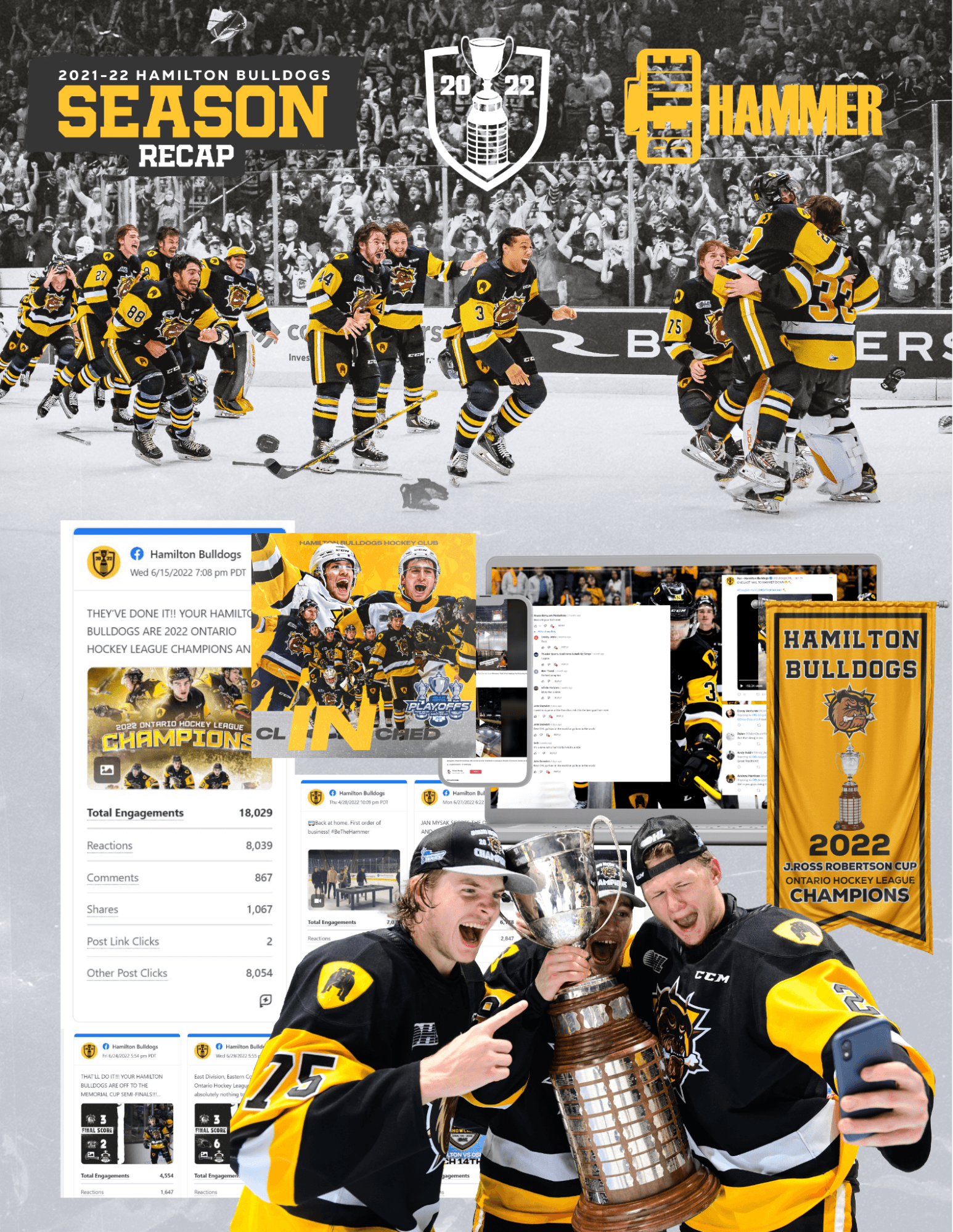
We are seeing more sports content built from the same visual styles, oversized text, generic effects and artificial imagery. The individual post may look polished, but the organization behind it becomes less recognizable.
Custom graphic design is still essential because it creates consistency and gives a team an identity of its own.
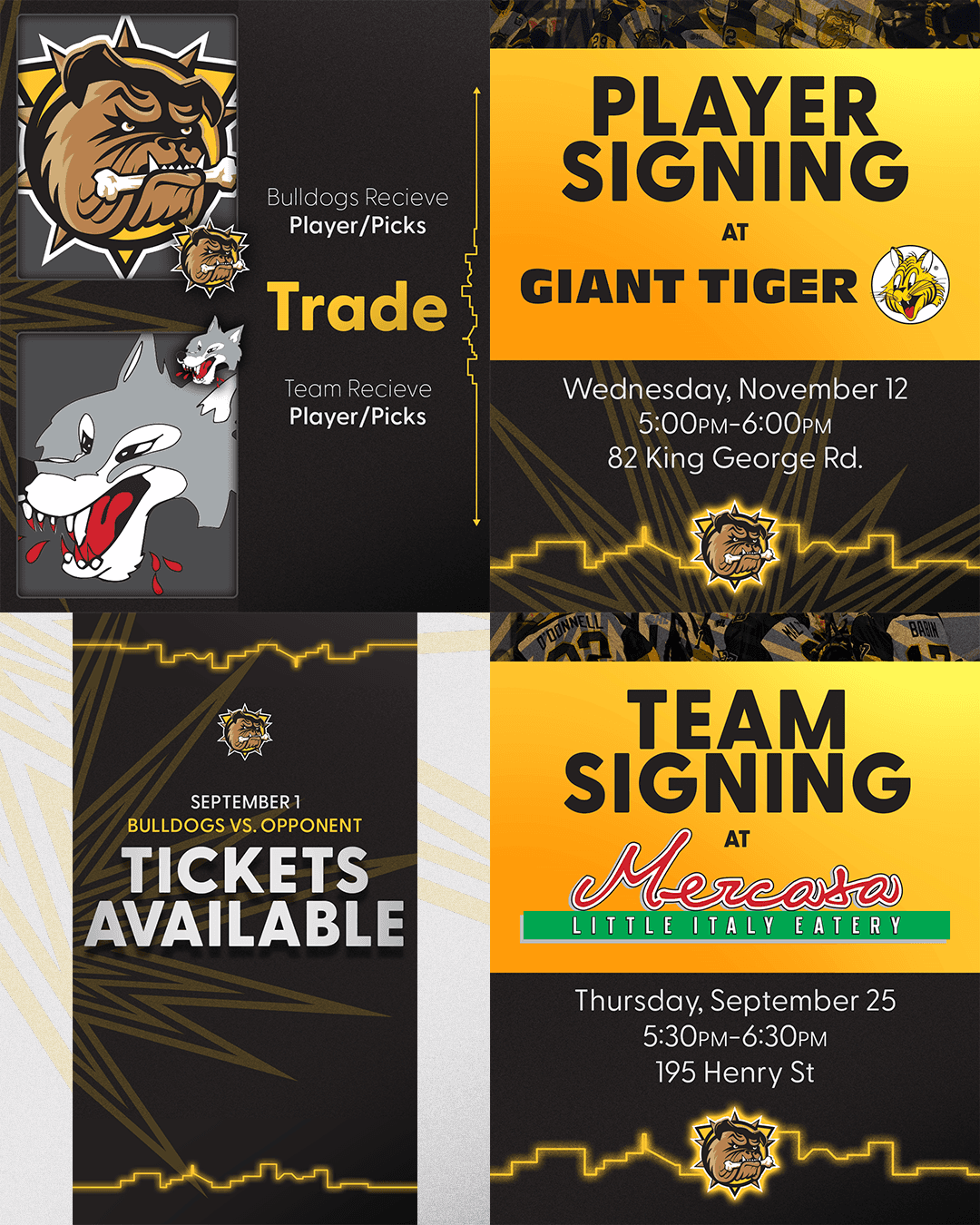
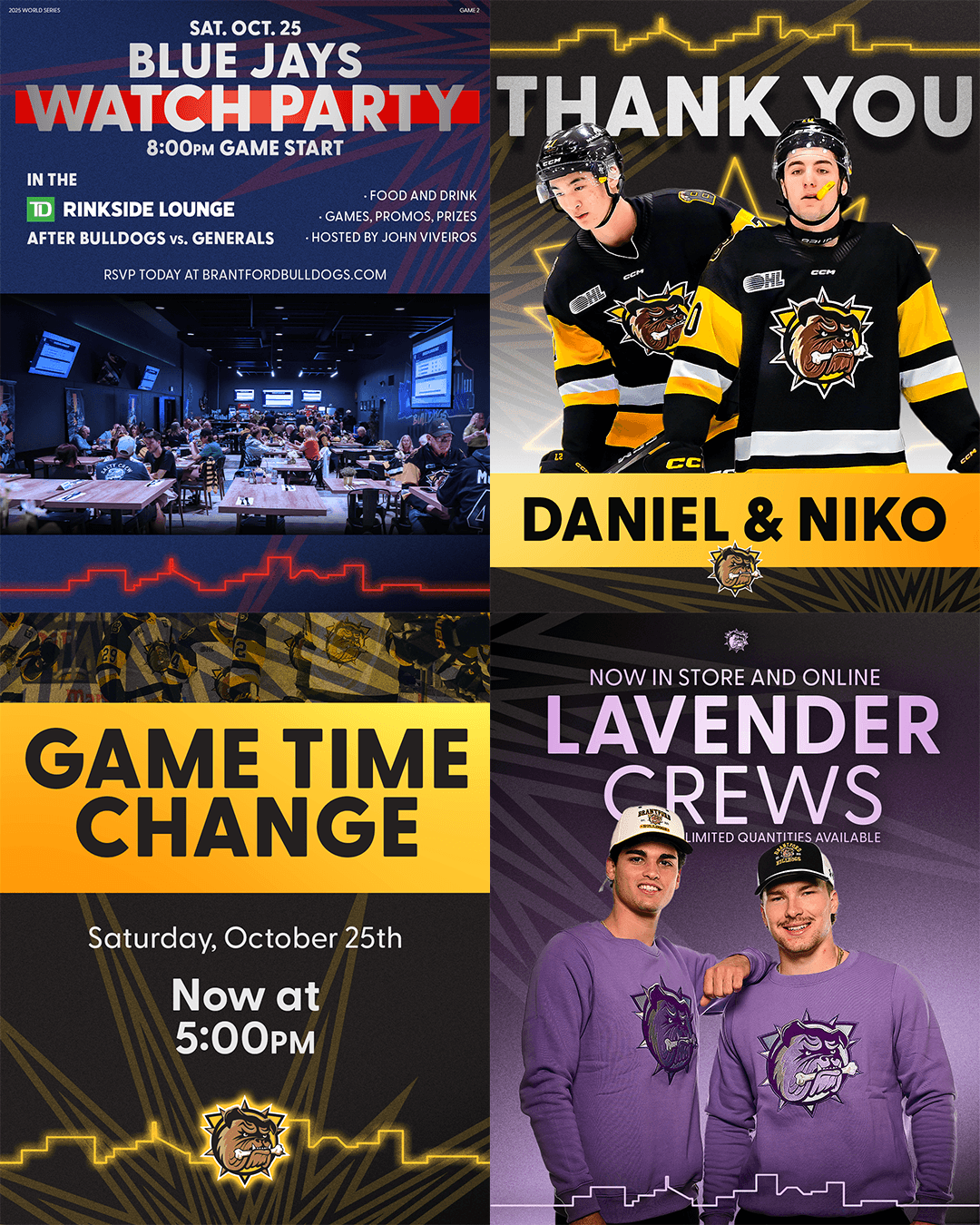
The strongest sports graphics often do not need to place every detail directly on the image. The visual should capture attention. The caption, website, or linked page can communicate the complete message.
Real athlete photography should be one of the organization’s greatest visual assets. It allows the audience to connect with actual players, personalities, and moments rather than generic imagery that could belong to any team.
Good sports design should:
Make the team immediately recognizable
Prioritize athletes and authentic imagery
Communicate information clearly
Work consistently across different platforms
Support the organization’s larger identity
Give sponsors professional and intentional visibility
A team does not build a recognizable identity through one graphic. It builds one by making hundreds of connected creative decisions over multiple seasons.
Social Media Is Only One Part of the System
A large social following can be valuable, but social media is rented space. Platforms change, organic reach fluctuates, and content can disappear from a feed within hours.
Teams still need to invest in the digital spaces they control.
A strong website, organized registration experience, clear email communication, search visibility, and effective landing pages are just as important as social media content.
Paid advertising can help an organization reach people outside its existing following. Search engine optimization can help families discover programs when they are actively looking for them. A well-built website can turn that attention into registrations, ticket sales, or inquiries.
Each channel has a different job:
Social media builds familiarity and ongoing engagement.
Photography creates the visual foundation.
Video develops emotion and tells deeper stories
Graphic design creates recognition.
Websites organize information and drive action.
SEO supports long-term discovery.
Paid advertising reaches specific audiences.
Email and direct communication keep families informed
The organizations that grow are rarely relying on only one of these elements. They build a connected system.
Strong Media Creates More Value for Sponsors
Sponsors are not only paying to place a logo on a jersey or arena sign. They are investing in access to an audience and an association with the organization’s community.
Professional media gives teams more ways to deliver that value.
A sponsor can be integrated into an athlete feature, promotional campaign, tournament recap, video series, social post or in-venue experience. These integrations are more memorable when they are thoughtfully created instead of added as an afterthought.
Strong presentation also gives potential partners confidence. It demonstrates that the organization understands its audience and can represent another brand professionally.
When media, marketing and partnership strategy work together, sponsorship becomes more than logo placement. It becomes part of the experience.

hat Results Should Sports Media Actually Deliver?
Views and likes can help measure attention, but they should not be the only definition of success.
Depending on the organization, real results may include:
Better-attended tryouts
Increased registrations
Sold-out tournaments
Stronger ticket sales
Greater athlete exposure
More engaged families
Improved sponsor retention
Better partner opportunities
Increased merchandise demand
A stronger reputation within the community
These outcomes rarely come from a single campaign.
They are produced by a brand that communicates clearly and consistently over time. Every photograph, video, graphic, webpage, and event experience contributes to the way people understand the organization.
Building Something Athletes Want to Be Part Of
At Top Shelf Media, we work with sports organizations at different levels and with different needs.
Some teams need professional photography. Others need a complete media day with photos, videos, interviews, and multiple creative stations. Larger organizations may need ongoing social media management, graphic design, website support, advertising, tournament promotion, or season-long content production.
Our job is not to make every organization look the same.
It is to understand what makes a team, league or association different and build a media strategy around it.
We want athletes to be proud of how they are represented. We want families to see the value being created. We want sponsors to understand the opportunity. We want prospective players and parents to recognize why the organization deserves their attention.
Most importantly, we want the work to contribute to something that lasts beyond a single post or season.
Because having content is easy.
Building a sports brand that people recognize, trust, and want to join takes much more.
Frequently Asked Questions
What does a sports media company do?
A sports media company helps teams, leagues and associations present their athletes, communicate with their audiences and promote their programs. Services may include sports photography, video production, media days, graphic design, social media management, website development, digital advertising and content strategy.
Why is professional sports photography important?
Professional sports photography provides teams with consistent, high-quality athlete imagery that can be used throughout the season. These photos support player promotion, social media, graphic design, sponsorship campaigns, websites and keepsakes for families.
What is included in a professional sports media day?
A sports media day may include headshots, athlete portraits, team photos, creative action photography, video introductions, player interviews and behind-the-scenes content. The exact setup depends on the team’s goals, number of athletes and intended deliverables.
How can a sports team improve its social media presence?
Teams should begin with a consistent visual identity, real athlete imagery and a clear set of content goals. Social media should be supported by video, graphic design, a strong website and a plan for reaching audiences beyond current players and families.
Can AI replace professional sports marketing?
AI can help with planning, organization and production, but it cannot independently define what makes an organization meaningful to its community. The best results come when digital tools support original strategy, real storytelling and a distinct creative identity.
How does sports media help attract athletes and sponsors?
Professional media shows athletes and families how they will be represented and what kind of experience they can expect. It also gives sponsors stronger visibility through polished campaigns, video integration, event coverage and consistent digital content.
Does Top Shelf Media work with youth and professional sports organizations?
Top Shelf Media works across multiple levels of sport, from youth teams and associations to junior, elite and professional organizations. Services can be designed for an individual team, a large association, a tournament, a league or a season-long campaign.
Share this article
KEEP EXPLORING

READY TO CREATE
From media days to campaign-ready content, our team is ready to help you stand out.
Start a Conversation
Book your media day for 2026 today! Dates going fast! September is already sold out!